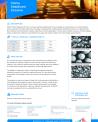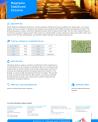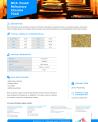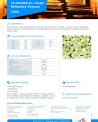
Stabilized zirconia is a high-performance ceramic material derived from zirconium dioxide (ZrO₂) that has been chemically stabilized with oxides such as calcia (CaO), yttria (Y₂O₃), or magnesia (MgO) to maintain its cubic or tetragonal crystalline phases at high temperatures. This stabilization prevents phase transformation, allowing zirconia to retain exceptional mechanical strength, thermal shock resistance, and chemical inertness under extreme operating conditions.
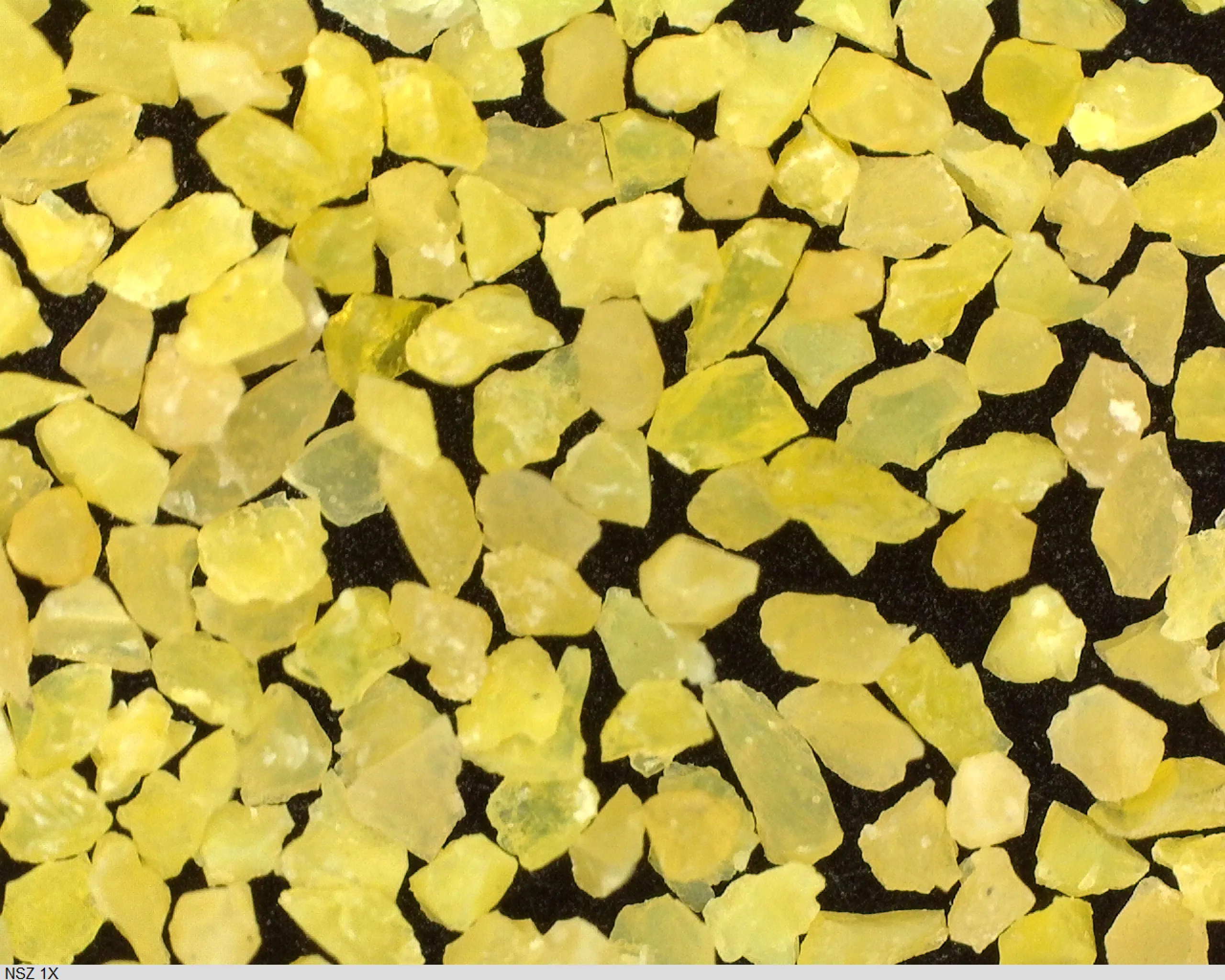
Types & Characteristics
Depending on the stabilizing oxide and its concentration, stabilized zirconia can be optimized for specific industrial applications.
- Calcia-Stabilized Zirconia (CSZ / NSZ / FC-ZC): Offers superior slag and corrosion resistance; ideal for steel-contact refractories and continuous casting refractories.
- Yttria-Stabilized Zirconia (YZ / YCZ Series): Provides high temperature strength and phase stability for ceramic and precision casting uses.
- Magnesia-Stabilized Zirconia (MSZ / SGCM / NSM): Ensures uniform stabilization and excellent resistance to molten metals and ferrites in severe service conditions.
- Calcium Zirconate (NCZ): Technically related compound offering high thermal stability and low reactivity, suited for crucibles and furnace linings.
Industrial Relevance
Across industries, stabilized zirconia serves as a reliable solution for demanding thermal and mechanical environments from steel and glass production to advanced ceramics, investment casting, and other specialty applications. Its versatility allows engineers and material specialists to choose the right balance of density, grain size, and chemical stability based on process temperature, atmosphere, and contact medium.