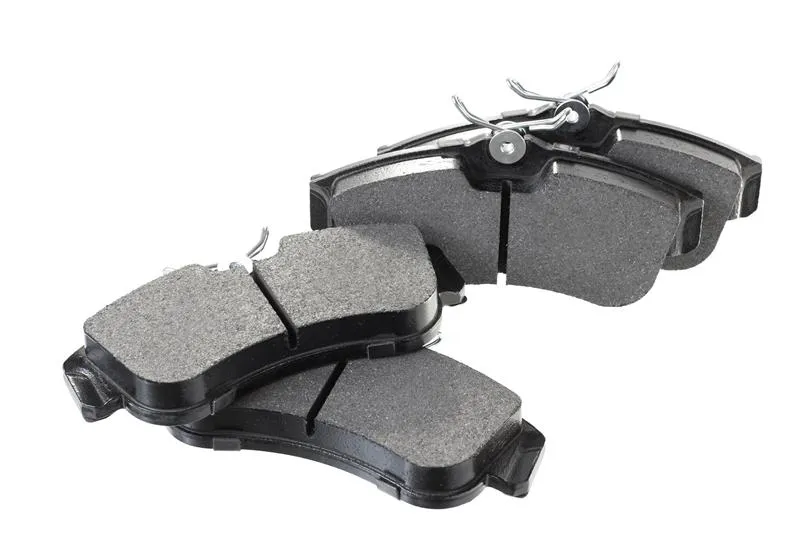
Modern automotive design prioritizes safety, comfort, and sustainability and the braking system sits at the intersection of all three. Under repeated, high-load braking, components experience temperatures exceeding 500 °C, oxidation, and intense surface wear.
Zirconia-based ceramics deliver thermal endurance, friction stability, and reduced wear, making them indispensable in brake pad formulations and other friction materials where consistent performance under stress is critical.
Saint-Gobain’s high-purity zirconia supports manufacturers of OEM and aftermarket components, ensuring uniform performance and extended lifecycle in today’s high-performance and electric vehicle systems.
Process Challenges in Automotive Friction Design
Thermal Degradation
Organic and metallic additives lose stability at high temperatures, reducing brake performance and consistency.
Variable Friction Coefficients
Uneven friction leads to brake fade, vibration, or noise, affecting driver comfort and safety.
Excessive Wear & Dust
Pad and rotor wear generate particulate emissions and shorten component life.
Material Consistency
Maintaining stable microstructure and particle dispersion during pad manufacturing is essential for quality control.
Applications in Automotive Manufacturing
Zirconia is used in a range of friction and thermal management components:
Brake Pads & Linings
Improves friction stability, thermal control, and wear resistance.
Clutch Facings
Enhances torque consistency and longevity under cyclic stress.
Performance & Electric Vehicles
Supports low-dust, low-noise systems in high-efficiency drivetrains.
Thermal Barriers & Coatings
Contributes to heat shielding in exhaust and engine systems.
By tailoring particle size and morphology, Saint-Gobain enables manufacturers to fine-tune frictional behavior to specific braking profiles.
Technical Snapshot of Zirconia for Friction Materials
| Material Type | Particle Size | Key Properties | Typical Use |
|---|---|---|---|
| Monoclinic Zirconia Powder | 0.5 - 10 µm | High heat tolerance, chemical inertness, stable friction behavior | Brake pad and clutch formulations |
Impact and Value for Automotive Manufacturers
Through precisely engineered zirconia materials, Saint-Gobain helps automotive manufacturers achieve:
- Greater braking consistency and fade resistance
- Lower component wear and reduced particulate emissions
- Improved NVH performance (noise, vibration, harshness)
- Enhanced reliability in hybrid and electric vehicle braking systems
Our materials deliver measurable gains in lifecycle performance and support the industry’s move toward safer, cleaner, and more efficient mobility solutions.