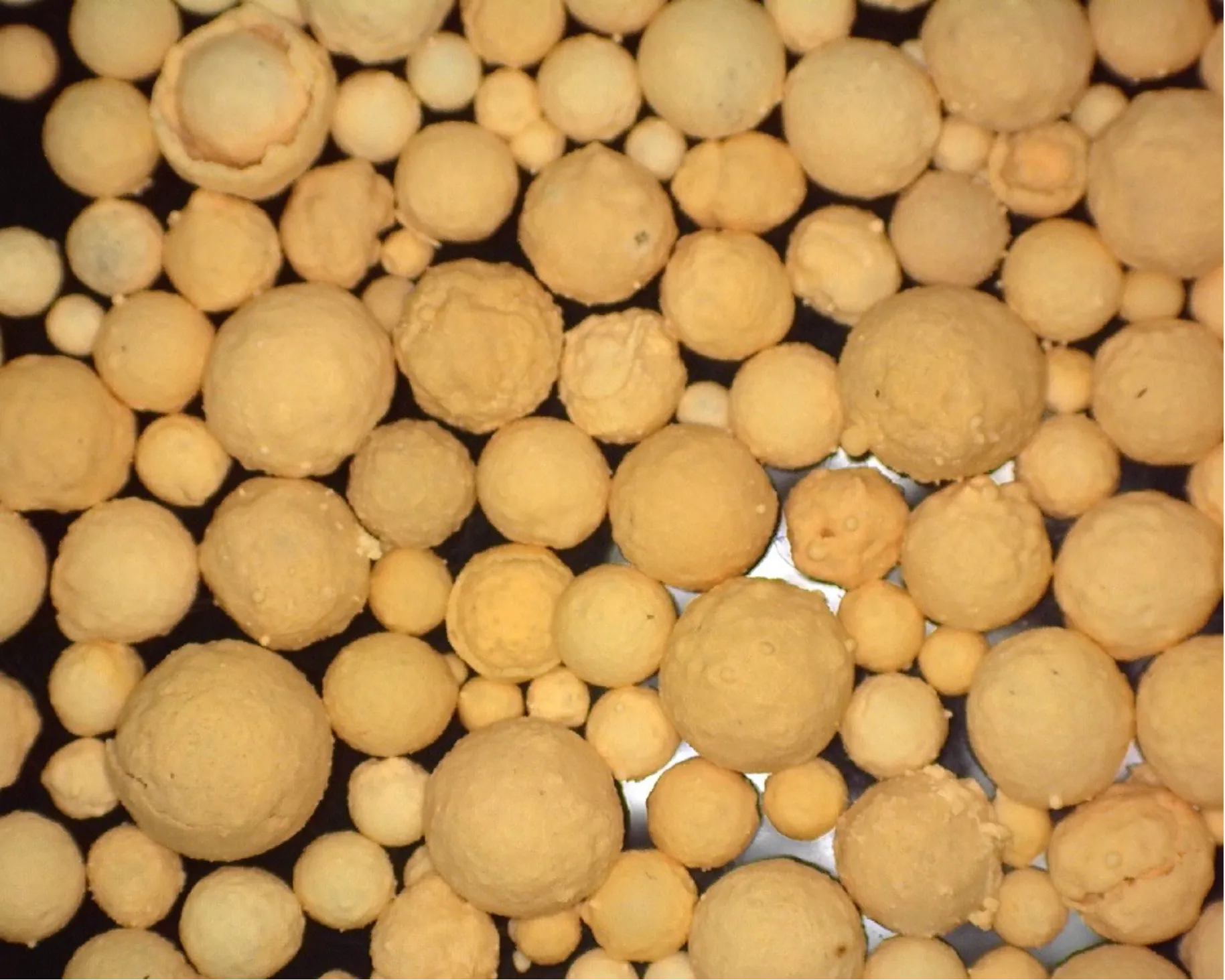
Monoclinic zirconia is a high-purity, electrically fused zirconium dioxide (ZrO₂) material characterized by excellent chemical inertness, thermal shock resistance, and mechanical strength. Unlike stabilized zirconia, which maintains cubic or tetragonal phases at high temperature, monoclinic zirconia naturally reverts to its stable phase at room temperature, providing high density and toughness ideal for your refractory or ceramic application challenges!
Types & Characteristics
Saint-Gobain’s monoclinic zirconia portfolio includes multiple grades engineered to meet specific thermal, mechanical, and cost-performance needs:
- Q1 - High Purity Monoclinic Zirconia: Electrically fused, high-purity zirconia offering 99% ZrO₂ with strong slag resistance and durability under severe temperature conditions.
- Q1A10 - Monoclinic Zirconia produced with secondary raw materials: Sustainable, cost-effective zirconia available in bubbles, grains, and powders. Offers good thermal stability and slag resistance, ideal for blending with other zirconia raw materials.
- Q5A10 - Monoclinic Zirconia: Monoclinic zirconia with 85-90% zirconia where a cost-effective solution is required. Q5A10 contains some levels of alumina and silica.
Industrial Relevance
Monoclinic zirconia grades are widely used in refractories, pigments, filters, and advanced ceramics. Their unique combination of density, slag resistance, and thermal stability allows engineers to choose the right grade depending on cost, environment, and desired performance level.